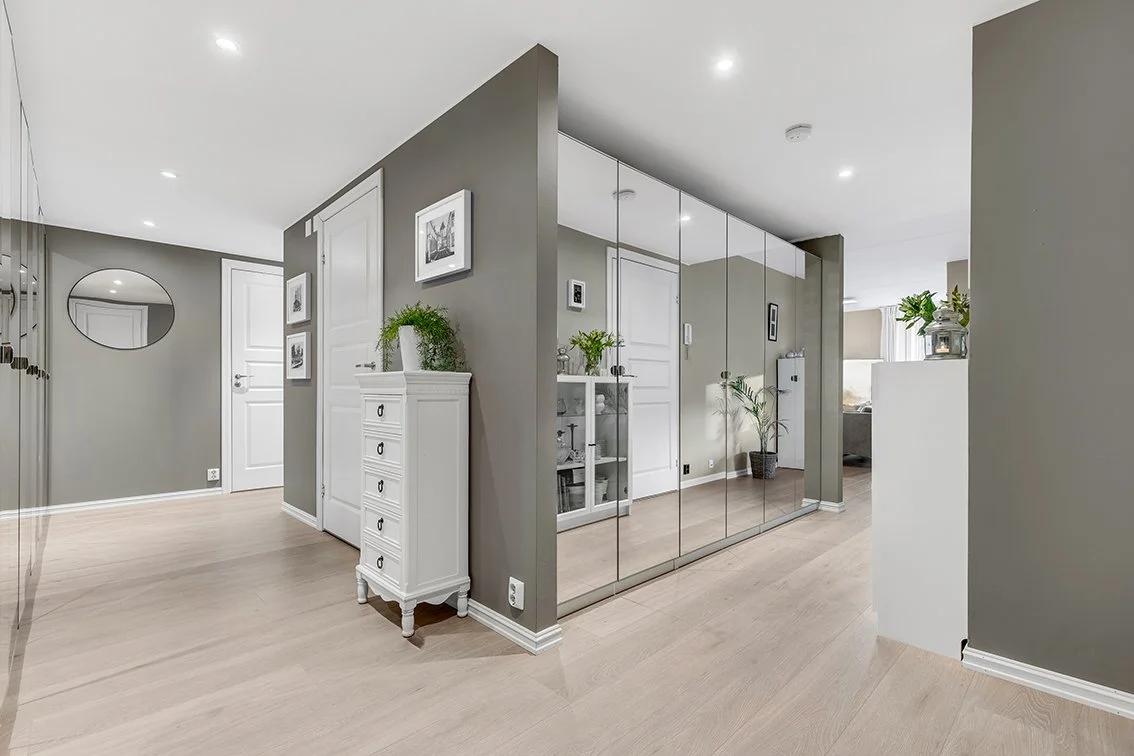
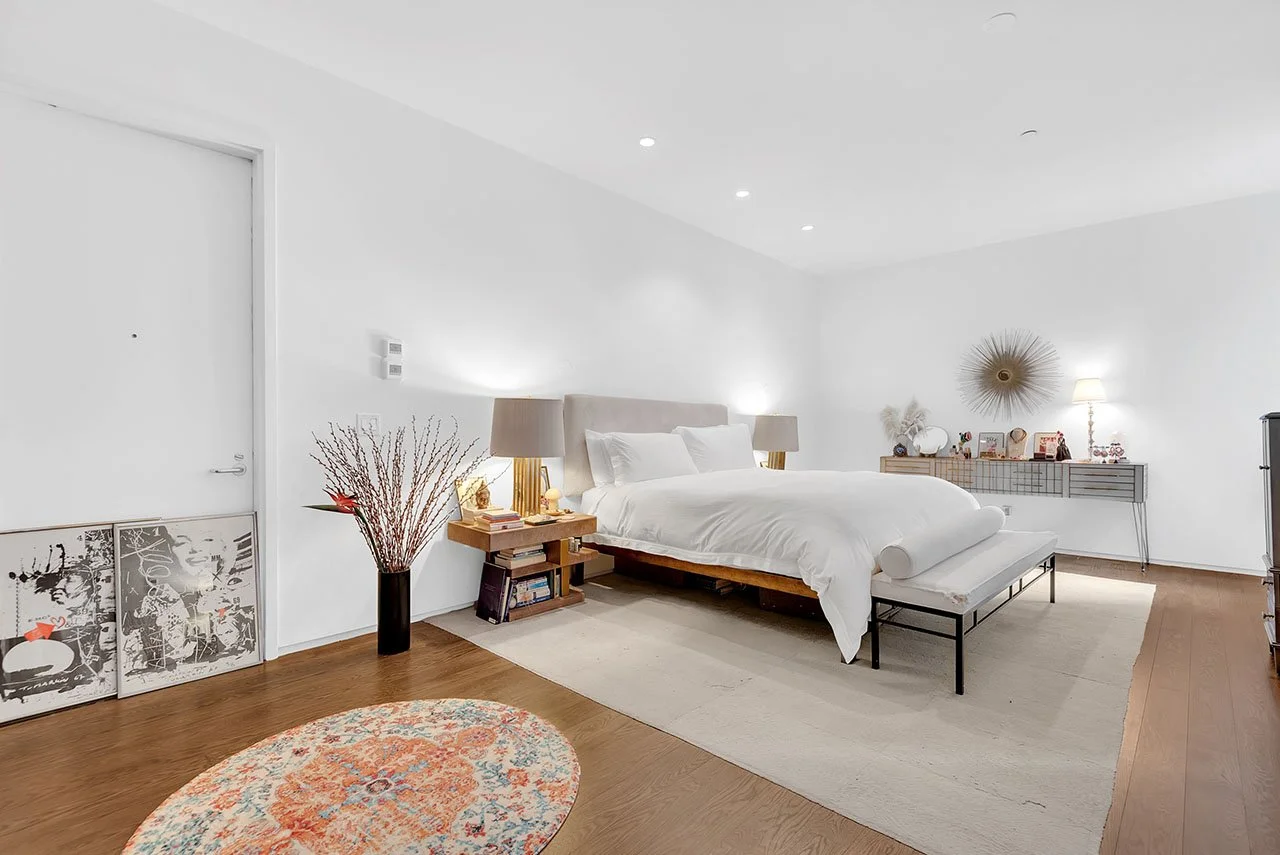
Composition: The Architecture of a Listing Image
How entry points, leading lines, and the Rule of Relevance determine whether a real estate image earns a viewing or gets scrolled past.
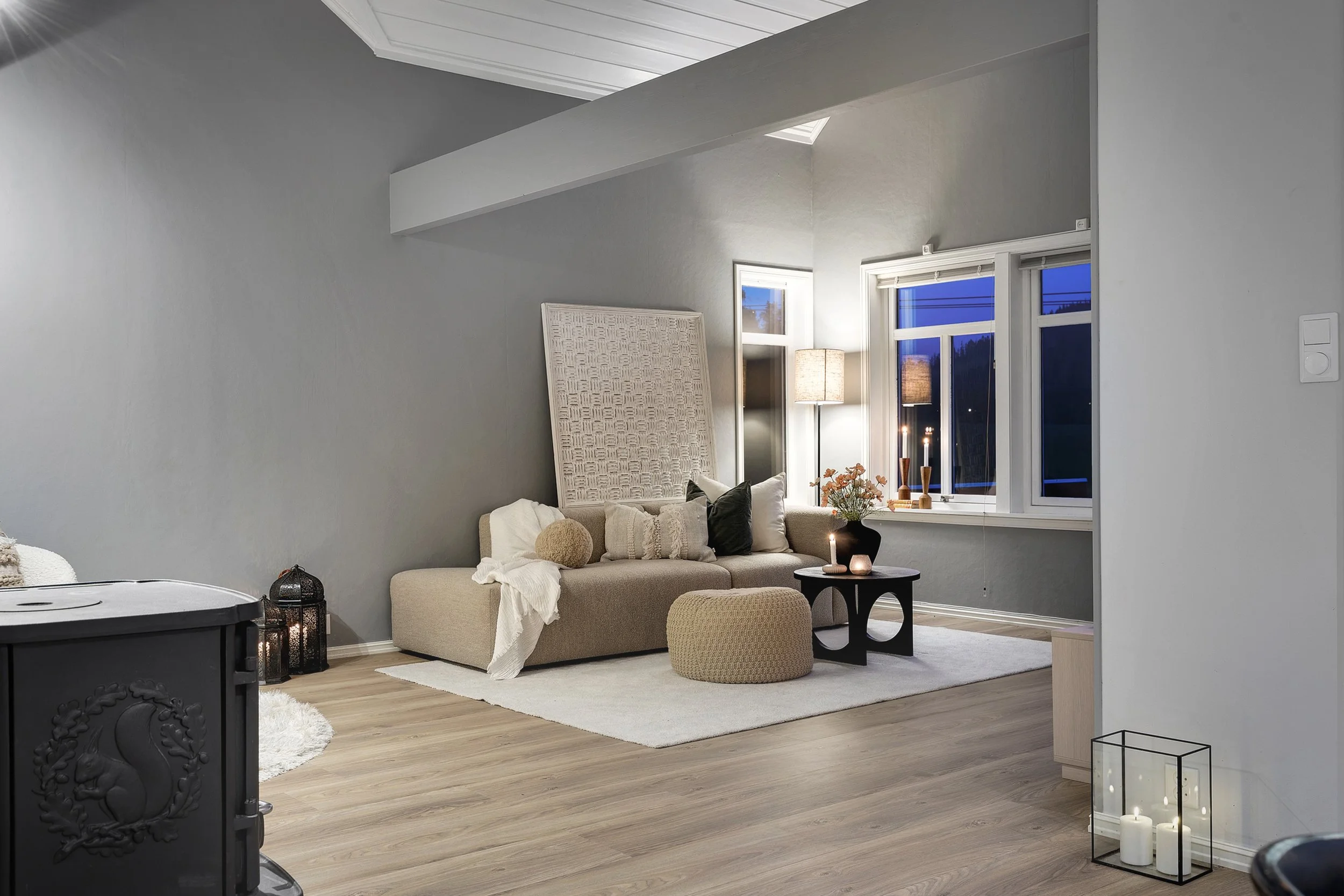
Every room has a right angle to shoot from.
Most photographers never find it.
They set up near the door, dial in their exposure, wait for the flash to cycle, and shoot. The result documents the room. It shows walls, a floor, a ceiling, furniture correctly identified. It is accurate. It is also, almost invariably, forgettable.
The difference between an image that documents a space and one that sells it is almost never the equipment or the edit. It is the three seconds the photographer spends — or doesn't spend — deciding where to stand.
This post is the full expansion of the composition principle from H5's C.L.E.A.N. Concept: what it means in practice, why it determines buyer response before any other variable, and how H5 photographers apply it across every room type, every market, every listing.
Composition Is the Decision All Other Decisions Serve
Clarity comes first, not because it is the most technically demanding, but because it is the one that cannot be corrected after the shoot. You can adjust colour temperature in post. You can recover highlights. You can remove an object that should have been moved. You cannot change where the photographer stood.
A compositionally weak image carries that weakness from capture to screen. It cannot be edited out. Every decision that follows composition is working to compensate for or build on it. This is why H5 photographers spend more time on composition than on any other variable before a shoot. The question is not "where is a good position to shoot from?" The question is: "what is this room trying to say, and from which angle does it say it most clearly?"
Every H5 photographer walks an entire property before unpacking equipment. The purpose is not logistics — it is composition. Understanding the flow of rooms, the relationship between spaces, and the hierarchy of features and views informs every angle chosen in the shoot that follows.
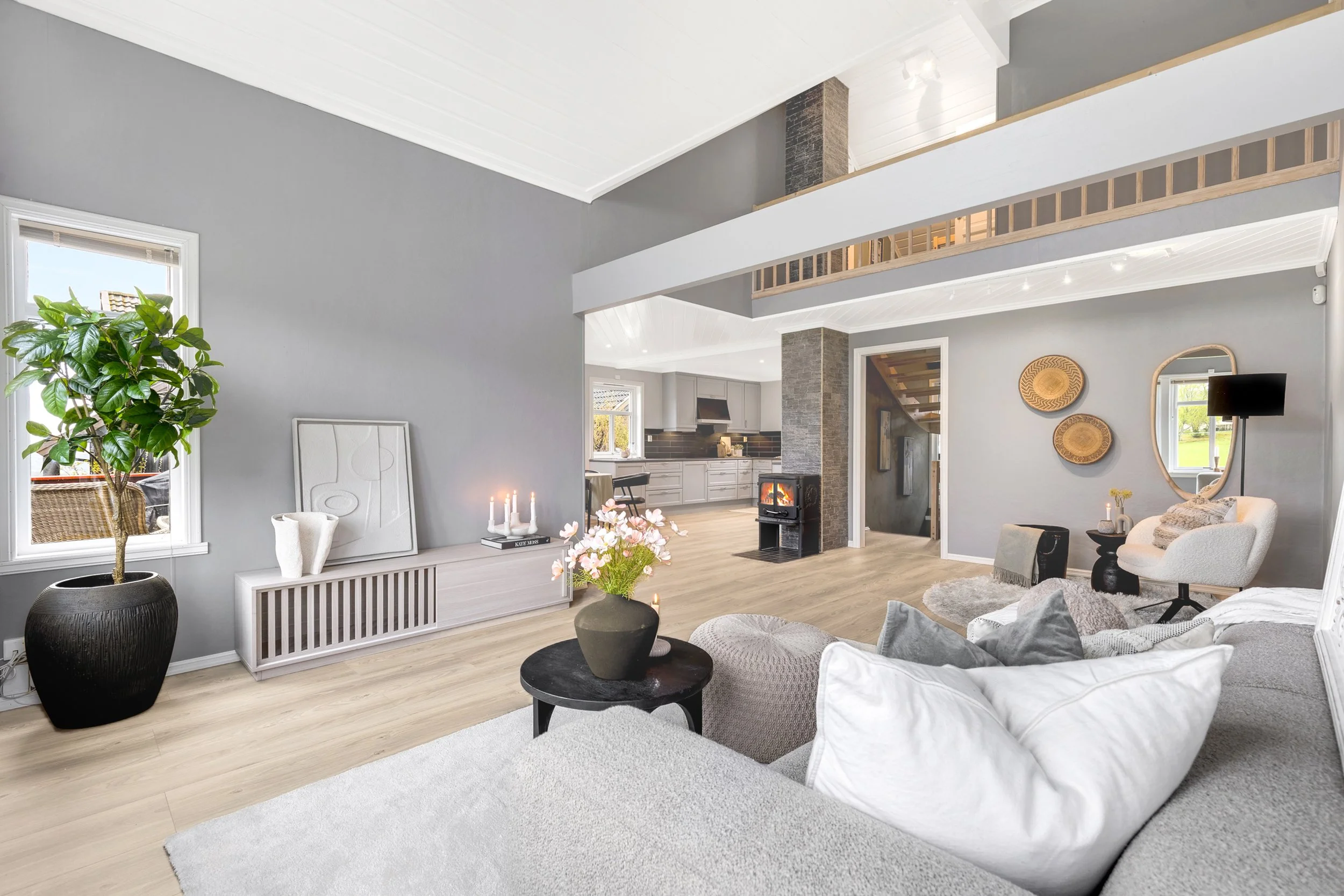
The Camera Points. The Buyer Follows.
Composition is not a stylistic preference. It is a system of decisions that determines, before any other variable, whether an image communicates or simply documents. An entry point that holds the eye, leading lines that create depth, a frame disciplined by relevance — these three things are what separate a listing photograph from a listing image.
H5 photographers apply this framework to every room on every shoot, in every market. It is the first thing trained and the last thing checked before the tripod is packed. It is also the thing most invisible to the buyer — because when composition is working, the buyer doesn't think about it. They think about the room. And then they want to stand in it.
If this post has been useful, send it to an agent preparing for a spring shoot. The composition decisions above require no additional budget and no additional time. They simply require knowing where to look.
"The quality of your photos is the first thing that makes you our priority photography vendor. Our agents like your photographers, and they often request their favourite when they have a new listing."
— Douglas · Bond New York